

ISO 50001 Energy Management
Many UK businesses know they need better control of energy use but lack a clear system to manage it consistently.
ISO 50001 Energy Management gives businesses a practical framework to reduce waste, improve performance and embed accountability.
What is ISO 50001 Energy Management?
ISO 50001 Energy Management is the international standard for creating an effective Energy management system (EnMS). It helps organisations understand how energy is used, set priorities for improvement and manage ongoing performance through a structured process.
A structured system for managing energy
The standard requires businesses to establish policies, responsibilities, objectives and controls linked to energy use. This includes reviewing consumption data, identifying significant energy uses and setting improvement plans.
It gives leadership teams better visibility of energy costs and creates clear ownership across the business.
A framework for continual improvement
ISO 50001 is built around ongoing review and progress. Performance is measured, actions are tracked and systems are refined over time.
This helps businesses move beyond isolated savings and create lasting operational change with stronger ISO energy compliance.
Why Businesses Need ISO 50001 Energy Management?
Reduce costs and improve resilience
Poor visibility of consumption often leads to avoidable waste. Equipment runs inefficiently, settings drift and opportunities are missed.
An effective EnMS helps identify waste, prioritise action and reduce unnecessary spend. It also improves resilience when prices rise or demand changes.
Meet growing compliance and customer expectations
Clients increasingly expect suppliers to evidence environmental controls and performance data. Regulatory expectations also continue to tighten.
ISO 50001 helps businesses demonstrate a robust approach to energy management and supports wider ESG and procurement requirements.
What must be included to integrate ISO 50001 Energy Management Effectively?
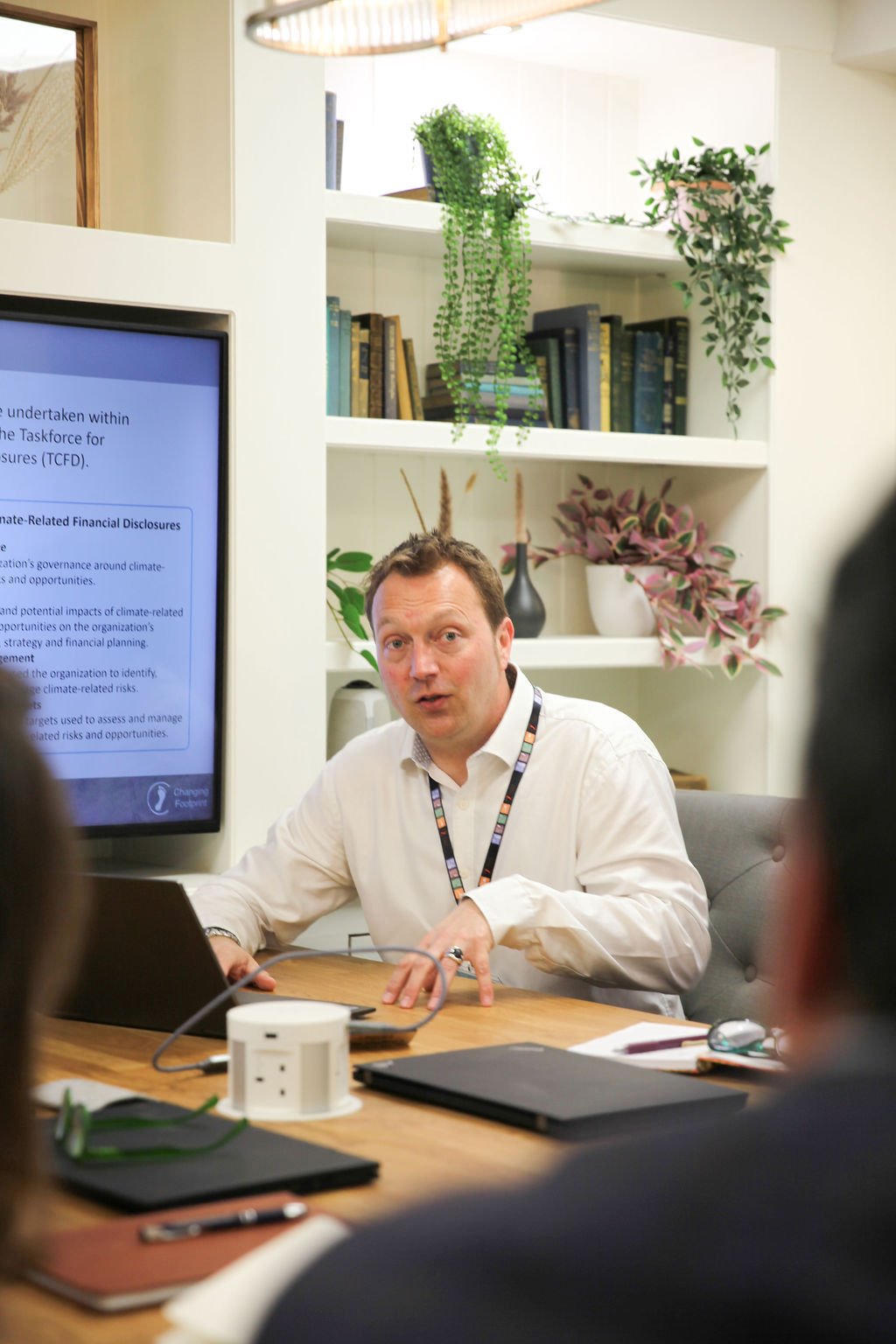
Achieving value from ISO 50001 depends on more than policies and paperwork. The system must reflect how the business actually operates and be practical to maintain.
Leadership ownership and clear responsibilities
Senior leadership support is essential. Priorities, budgets and accountability need to be clear from the start.
We help define governance structures, assign responsibilities and align objectives with wider business goals.
Reliable data and performance tracking
Good decisions depend on accurate data. Metering, invoices, site information and operational inputs should be accessible and trusted.
We establish practical data processes, baselines, performance indicators and reporting dashboards that support action.
Action plans embedded into operations
Energy management works best when linked to maintenance, procurement, operations and capital planning.
We help integrate controls, project plans and review cycles so improvement becomes part of normal business activity.
Our Approach to ISO 50001 Energy Management
Gap assessment and readiness review
We assess your current position against ISO 50001 requirements and identify what already works.
This avoids duplication and creates a focused roadmap to certification or improvement.
EnMS design and documentation
We develop a clear Energy management system (EnMS) with policies, procedures, registers and controls suited to your business.
Documentation is concise, usable and aligned to real operations.
Implementation and team engagement
We support rollout across sites and functions, helping teams understand responsibilities and new processes.
This improves adoption and ensures the system works in practice, not just on paper.
Audit preparation and continual improvement
We provide ISO 50001 certification support including internal audits, corrective actions and external audit readiness.
After certification, we help maintain momentum through ongoing Energy performance improvement plans and reviews.
How We Deliver ISO 50001 – Step by Step
1. Discovery & Gap Analysis
We begin by assessing your current practices against ISO 50001 requirements to identify strengths, gaps and opportunities.
2. Energy Review & Baseline
We analyse your energy data, define performance indicators and establish a solid baseline for progress tracking.
3. System Design & Documentation
We design a management system that integrates seamlessly into existing operations, supported by practical documentation and tools.
4. Implementation Support
Our consultants guide you through embedding policies, roles and operational controls across your organisation.
5. Training & Engagement
We build your internal capability through tailored training, from leadership briefings to staff awareness.
6. Internal Audit & Management Review
We perform a readiness review and internal audit to confirm effectiveness before certification.
7. Certification & Beyond
We support you through the external audit and beyond, helping you maintain continual improvement and compliance.
Our process is transparent, efficient and designed to deliver benefits far beyond compliance.
Related Services & Case Studies
Carbon Reporting – From Data Complexity to Clear Insight
A client had fragmented data across multiple sources, making reporting unreliable.
We consolidated Scope 1, 2 and key Scope 3 emissions into a clear, auditable dataset and produced concise reporting outputs.
The result was a trusted carbon baseline and reporting that could support decisions and meet stakeholder expectations.
Decarbonisation – Building a Practical Net Zero Pathway
A business had clear ambition but no defined plan.
We developed a prioritised roadmap based on cost, feasibility and carbon impact, supported by energy and operational insight.
This turned ambition into action, reducing emissions and embedding decarbonisation into day-to-day decisions.
Sustainability Reporting – Strengthening ESG Credibility
A growing company needed to strengthen ESG reporting under increasing pressure.
We implemented a structured framework aligned to TCFD, GRI and IFRS, including KPIs and governance improvements.
The result was clear, credible reporting that improved confidence and prepared the business for future requirements.
FAQs
The main benefit is improved control of energy use. This often leads to lower costs, better reporting and stronger operational efficiency.
Timescales depend on business size, site complexity and existing systems. Many organisations can make strong progress within a few months with a focused plan.
No. Many businesses benefit from applying ISO 50001 principles without formal certification. Certification can add value where customers or tenders require it.
Yes. Lower energy use often reduces emissions directly. It also creates better data and governance to support wider net zero and sustainability plans.