

ESOS Energy Audits
Energy costs remain a major pressure for UK businesses. At the same time, organisations must meet mandatory efficiency requirements under ESOS.
Changing Footprint helps you understand energy use, identify waste and prioritise practical savings with commercially focused support from qualification through to submission.
What is ESOS?
ESOS stands for the Energy Savings Opportunity Scheme. It is a UK mandatory energy assessment scheme designed to help larger organisations measure energy use and identify cost-effective efficiency improvements.
The scheme requires qualifying businesses to assess energy consumed across buildings, transport and industrial processes. It then turns that data into actions that can reduce cost and carbon.
Why ESOS Matters
Many businesses first approach ESOS as a compliance task. In practice, it can be a valuable operational review.
Used properly, ESOS highlights where energy is being wasted, where spend can be reduced and where investment will have the strongest return.
What an ESOS Audit Covers
A typical ESOS audit UK review considers energy use across offices, warehouses, manufacturing sites, fleet operations and business travel where relevant.
The output is a structured evidence base that supports compliance and better decision-making.
Who Must Comply with ESOS?
Large Organisations
ESOS usually applies to businesses with 250 or more employees, or those meeting financial thresholds linked to turnover and balance sheet size.
This can include standalone businesses, UK groups and UK operations of overseas parent companies.
Qualification Criteria
Qualification should be reviewed carefully at group and entity level. Ownership structures, employee numbers and financial tests can affect scope.
We help businesses confirm obligations quickly and establish a clear compliance route.
ESOS Phase 4 Requirements
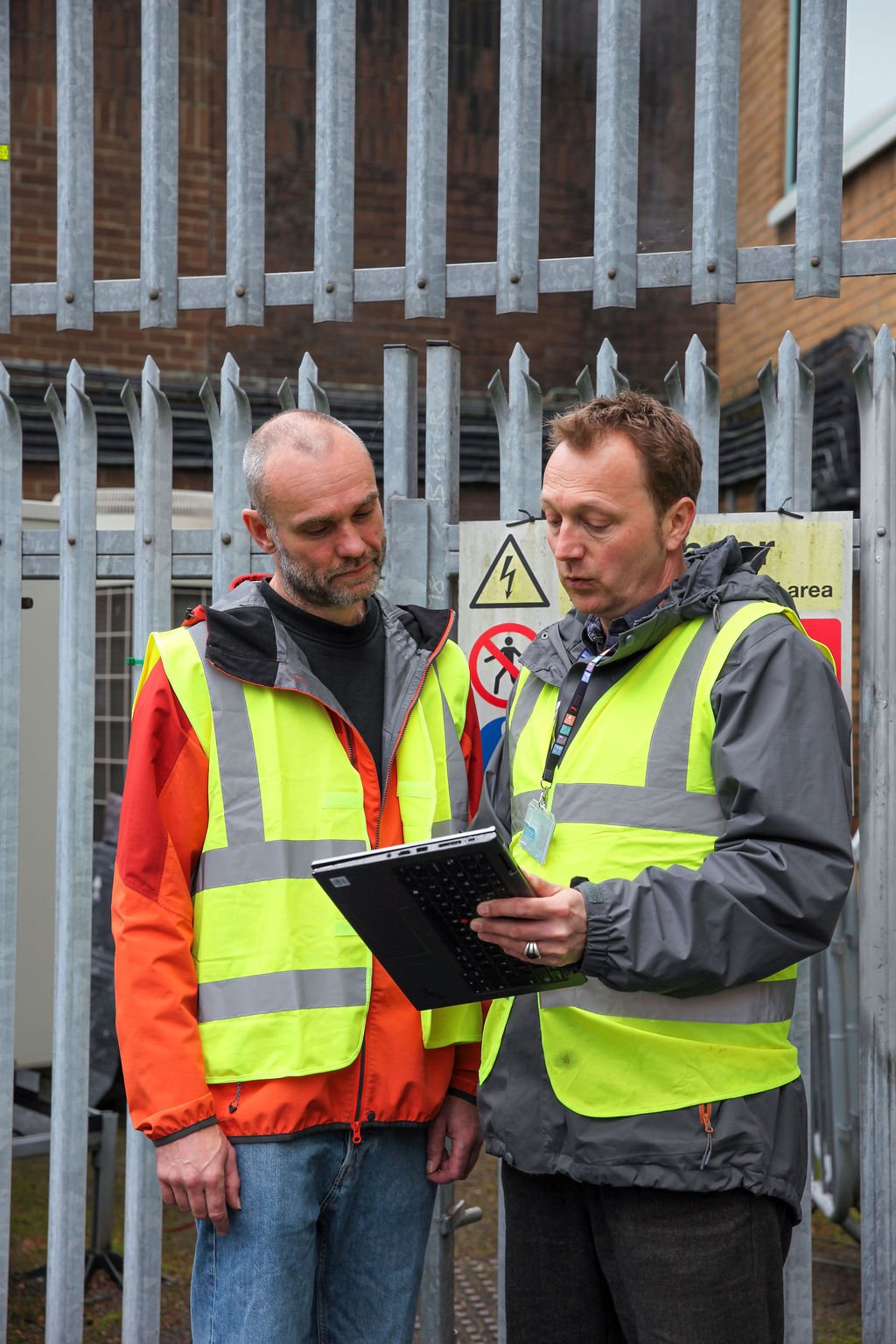
ESOS obligations continue to evolve, with stronger focus on data quality, governance and practical improvement actions. Businesses should prepare early rather than wait for deadlines.
As an ESOS phase 4 consultant, we help clients understand current requirements and complete the process with confidence.
Scope and Evidence Requirements
Phase 4 requires organisations to assess total energy consumption and identify the significant areas of use that need detailed review.
Robust records, clear methodologies and organised evidence are essential for efficient sign-off.
Action Planning and Governance
Compliance is not only about collecting data. Organisations are expected to show stronger internal oversight and clearer consideration of improvement measures.
We help turn audit findings into practical plans with owners, timelines and measurable outcomes.
Our ESOS Energy Audit Services
Energy Data Collection
We gather and structure utility, fleet, travel and operational data needed for the assessment.
We keep requests focused and practical so teams can respond quickly without unnecessary admin.
Site Energy Audits
We carry out on-site reviews to understand how buildings and operations consume energy.
This identifies real improvement opportunities rather than relying only on desk-based assumptions.
Identifying Energy Saving Opportunities
We assess no-cost, low-cost and capital measures based on likely savings and practicality.
This helps clients focus effort where results are most achievable.
ESOS Reporting and Compliance
We prepare the required evidence pack, reporting outputs and submission support.
Where required, we work with an ESOS lead assessor to complete sign-off efficiently.
Benefits of ESOS Energy Audits
A strong ESOS process can deliver more than compliance.
It can reduce utility spend, improve operational control and support carbon reduction targets. It also gives leadership teams better visibility of where energy is used and where investment should be prioritised.
For many organisations, ESOS becomes the starting point for a wider efficiency programme.
How the ESOS Audit Process Works
We begin by confirming qualification status, organisational boundaries and available data.
Next, we calculate total energy consumption and identify significant energy use areas. We then complete audits, review opportunities and prepare the compliance documentation.
Finally, we support sign-off and submission. Clients leave with clear actions, not just a completed obligation.
Our ESOS delivery process
1. Qualification & Scoping
We confirm whether you qualify for ESOS, define your group structure, and agree the scope of buildings, transport, and processes included.
2. Data Collection & Validation
We gather (at least) 12 months of verified energy data from your systems, invoices, and suppliers, ensuring full coverage and data integrity.
3. Energy Profiling & Significant Use Analysis
Our consultants identify your areas of significant energy consumption (covering at least 95% of total use) and select representative sites for audit.
4. Site Assessments & Energy Audits
We conduct detailed site visits and energy audits, analysing performance and identifying practical, cost-effective savings opportunities.
5. ESOS Report & Evidence Pack
We produce a comprehensive report and evidence pack that meets all legislative requirements and is aimed to be decision useful — clear, auditable, and director-ready.
6. Action Plan & Sign-off
Together, we prioritise opportunities, develop an action plan, and support director-level review and sign-off.
7. Submission & Ongoing Support
We support the ESOS notification, maintain your evidence pack and can provide ongoing support with implementation, monitoring, and progress reporting.
Our process is transparent, efficient, and designed to deliver tangible benefits far beyond compliance.
Related Services & Case Studies
Carbon Reporting – From Data Complexity to Clear Insight
A client had fragmented data across multiple sources, making reporting unreliable.
We consolidated Scope 1, 2 and key Scope 3 emissions into a clear, auditable dataset and produced concise reporting outputs.
The result was a trusted carbon baseline and reporting that could support decisions and meet stakeholder expectations.
Decarbonisation – Building a Practical Net Zero Pathway
A business had clear ambition but no defined plan.
We developed a prioritised roadmap based on cost, feasibility and carbon impact, supported by energy and operational insight.
This turned ambition into action, reducing emissions and embedding decarbonisation into day-to-day decisions.
Sustainability Reporting – Strengthening ESG Credibility
A growing company needed to strengthen ESG reporting under increasing pressure.
We implemented a structured framework aligned to TCFD, GRI and IFRS, including KPIs and governance improvements.
The result was clear, credible reporting that improved confidence and prepared the business for future requirements.
FAQs
Deadlines are set by the scheme administrator for each phase. If you are likely to qualify, early preparation is the safest route as data gathering and audits can take time.
Yes, ESOS assessments typically require review and sign-off by an approved lead assessor unless a qualifying exemption applies.
Non-compliance can lead to enforcement action, financial penalties and reputational risk. It can also create unnecessary cost and management distraction.
It depends on the size and complexity of your organisation, number of sites and data quality. Simple structures may complete quickly, while larger groups often need a longer lead time.